When people think about workplace safety, prevention is usually the first thing that comes to mind.
Risk assessments, training, PPE, and safe systems of work are all essential for reducing risk and protecting employees. These measures help organisations prevent incidents and create safer working environments.
However, keeping people safe involves more than preventing accidents from happening in the first place.
This Sepsis Awareness Month provides an opportunity to consider a broader perspective. Alongside prevention, organisations must also think about awareness, communication, and how they support employees when health concerns arise.
Looking Beyond Prevention
Most businesses work hard to reduce incidents and injuries, and that effort remains critical. But there are times when illnesses, infections, or other medical concerns occur despite the best planning and precautions.
In those situations, early recognition and action become just as important.
Encouraging employees to report concerns, seek medical advice when necessary, and speak up when something does not feel right helps create a more supportive environment. These behaviours contribute to a stronger safety culture and can lead to better outcomes for everyone.
The most effective organisations understand that protecting people does not start and end with accident prevention. It requires ongoing attention to employee health and wellbeing.
Why Sepsis Awareness Matters
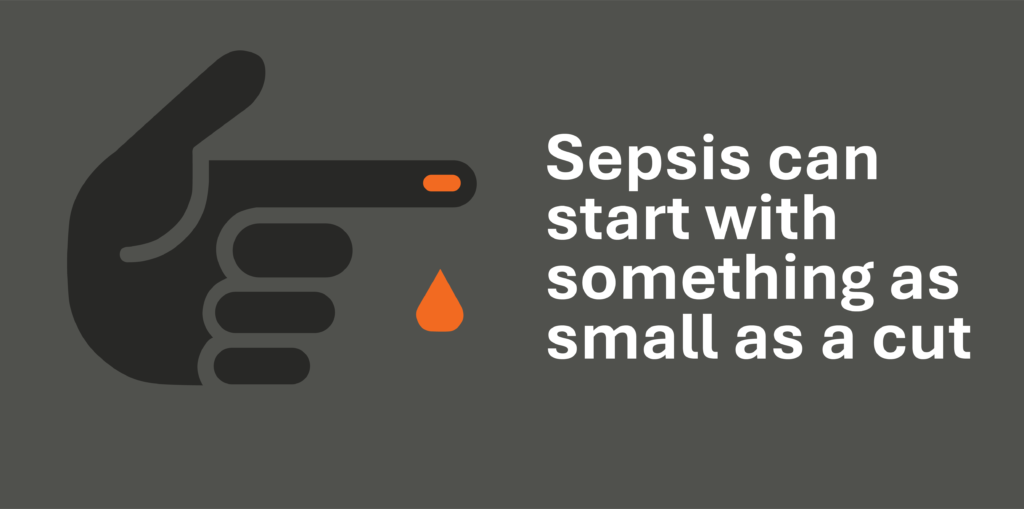
Sepsis is a life-threatening condition that develops when the body’s response to an infection begins to damage its own tissues and organs.
One of the challenges surrounding sepsis is that many people are unfamiliar with the warning signs or may not realise how quickly it can become serious.
That is why awareness campaigns are so important.
For employers, the key takeaway is not to become medical experts. Instead, it is to recognise the value of education and encourage employees to seek professional support when they are concerned about their health.
Creating an environment where people feel comfortable raising concerns can make a meaningful difference, whether the issue relates to an injury, an illness, or a more serious condition.
Would You be able to Spot these 8 Signs of Sepsis?
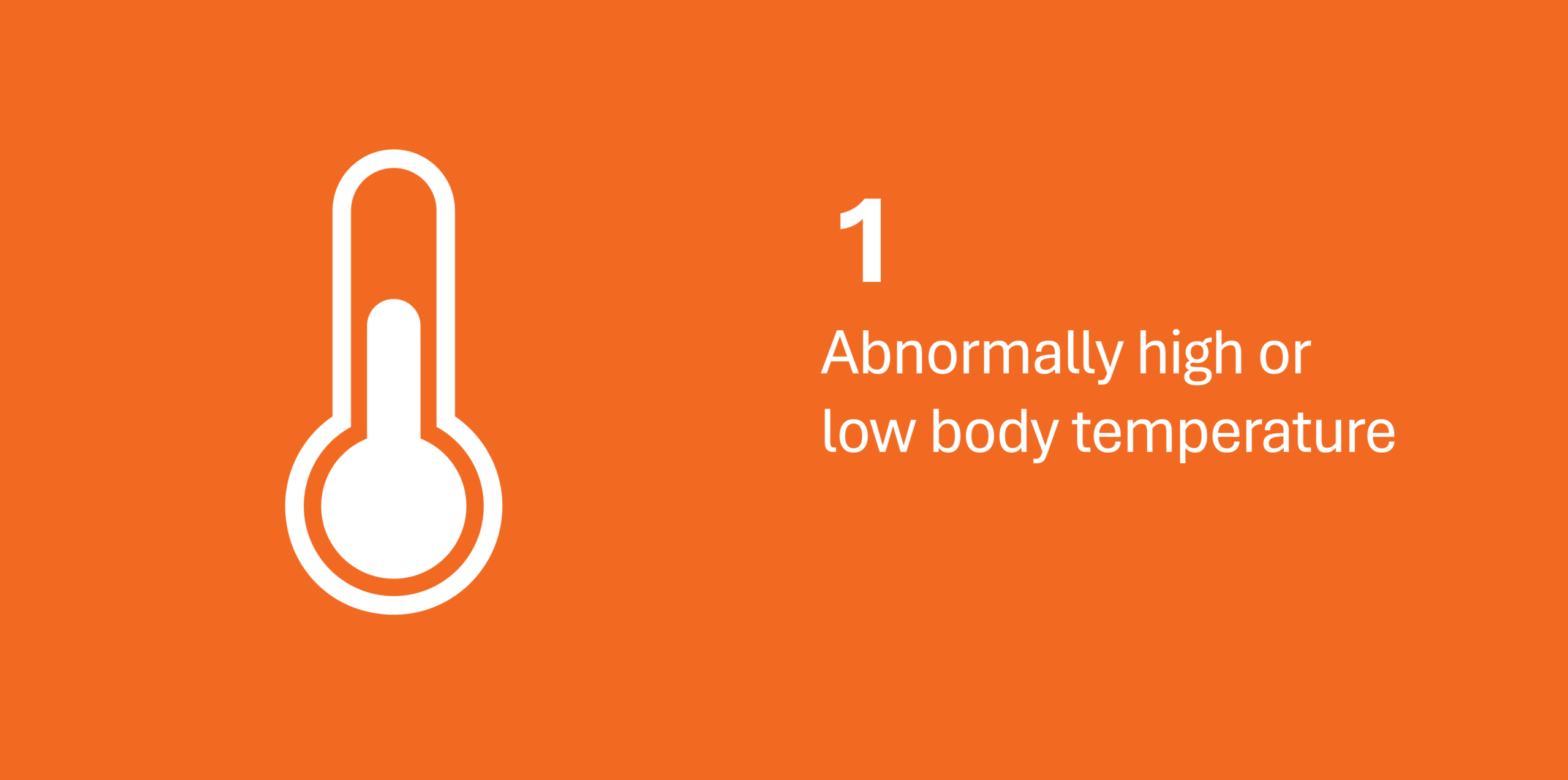
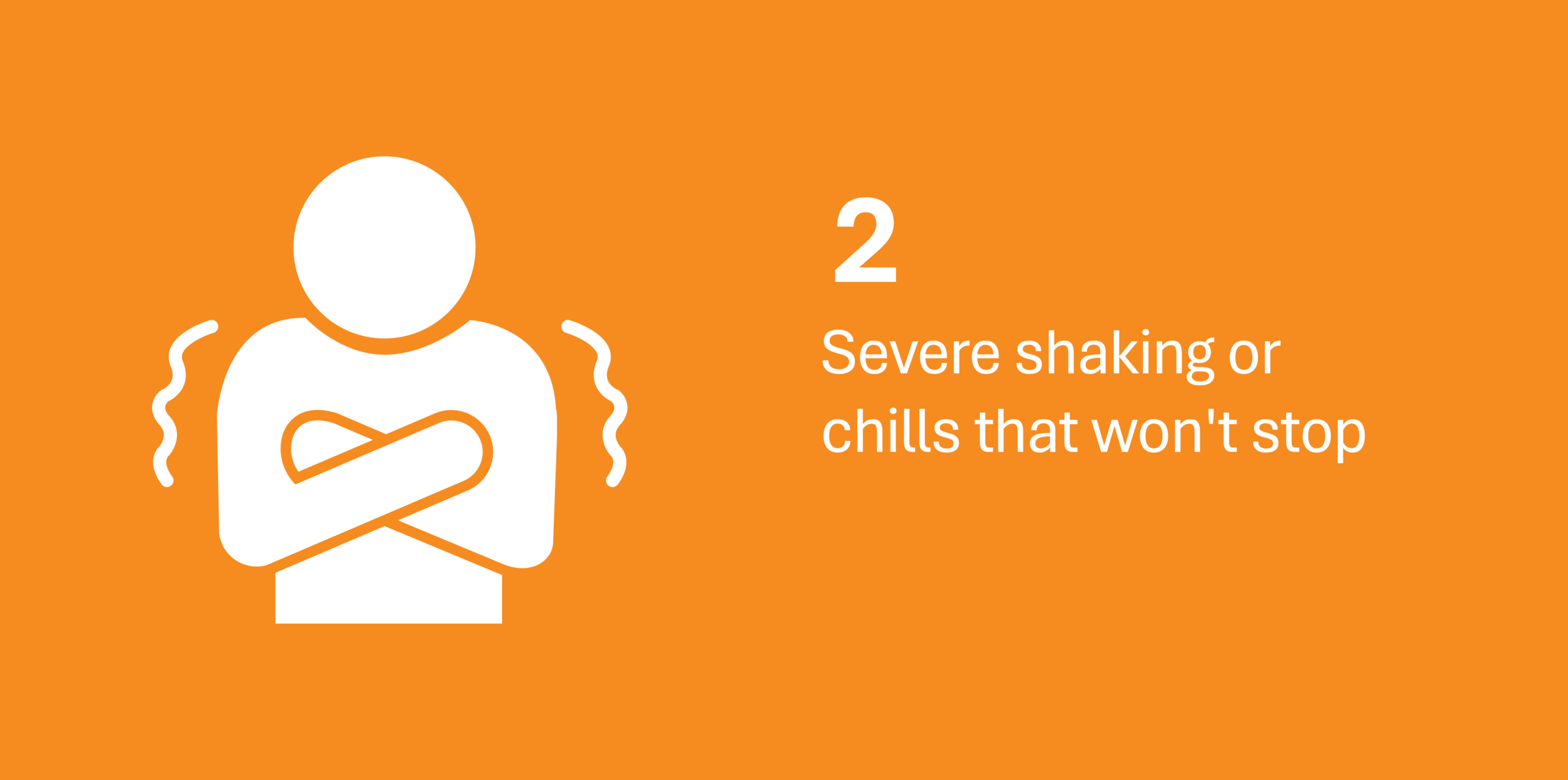
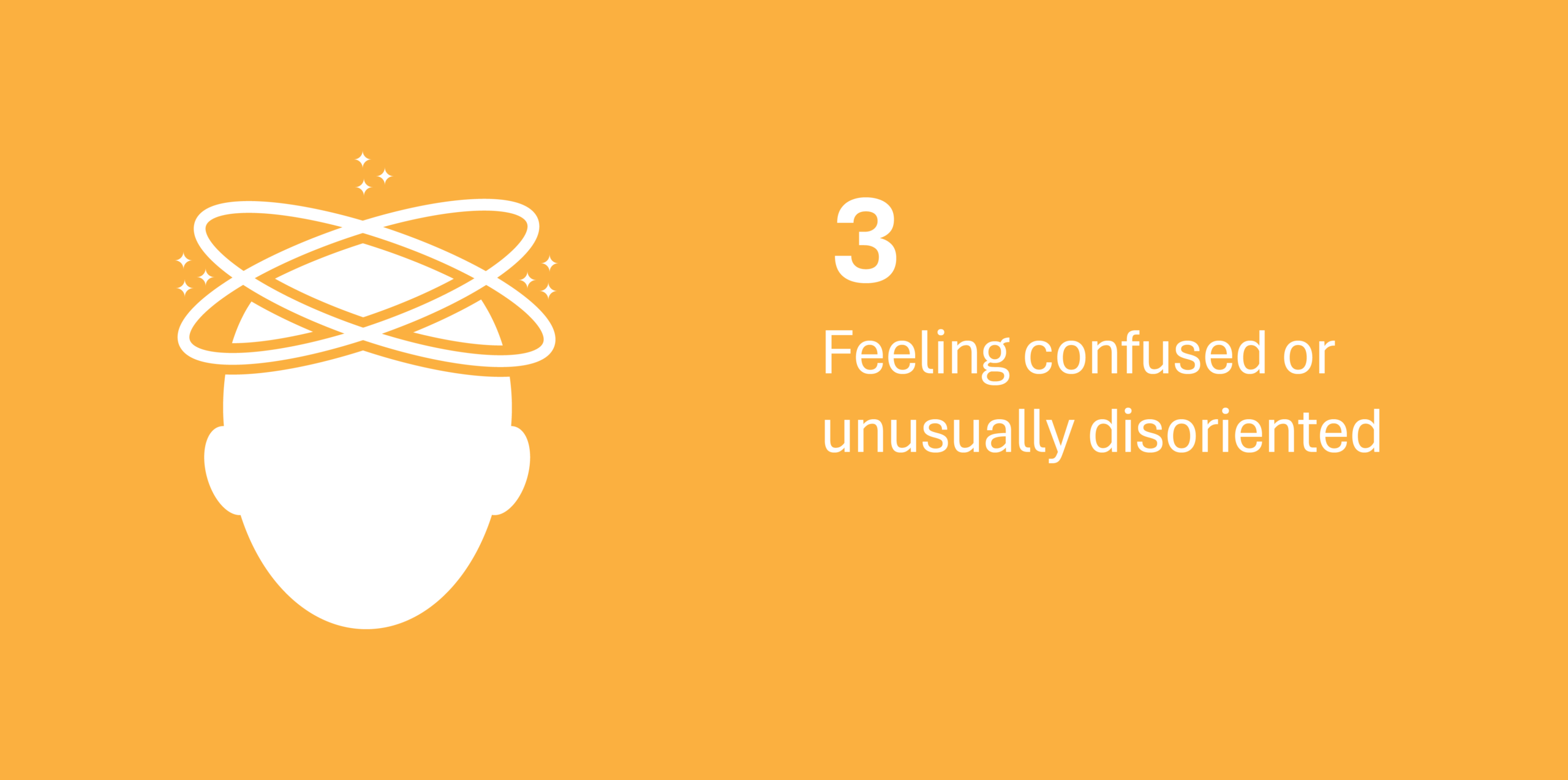
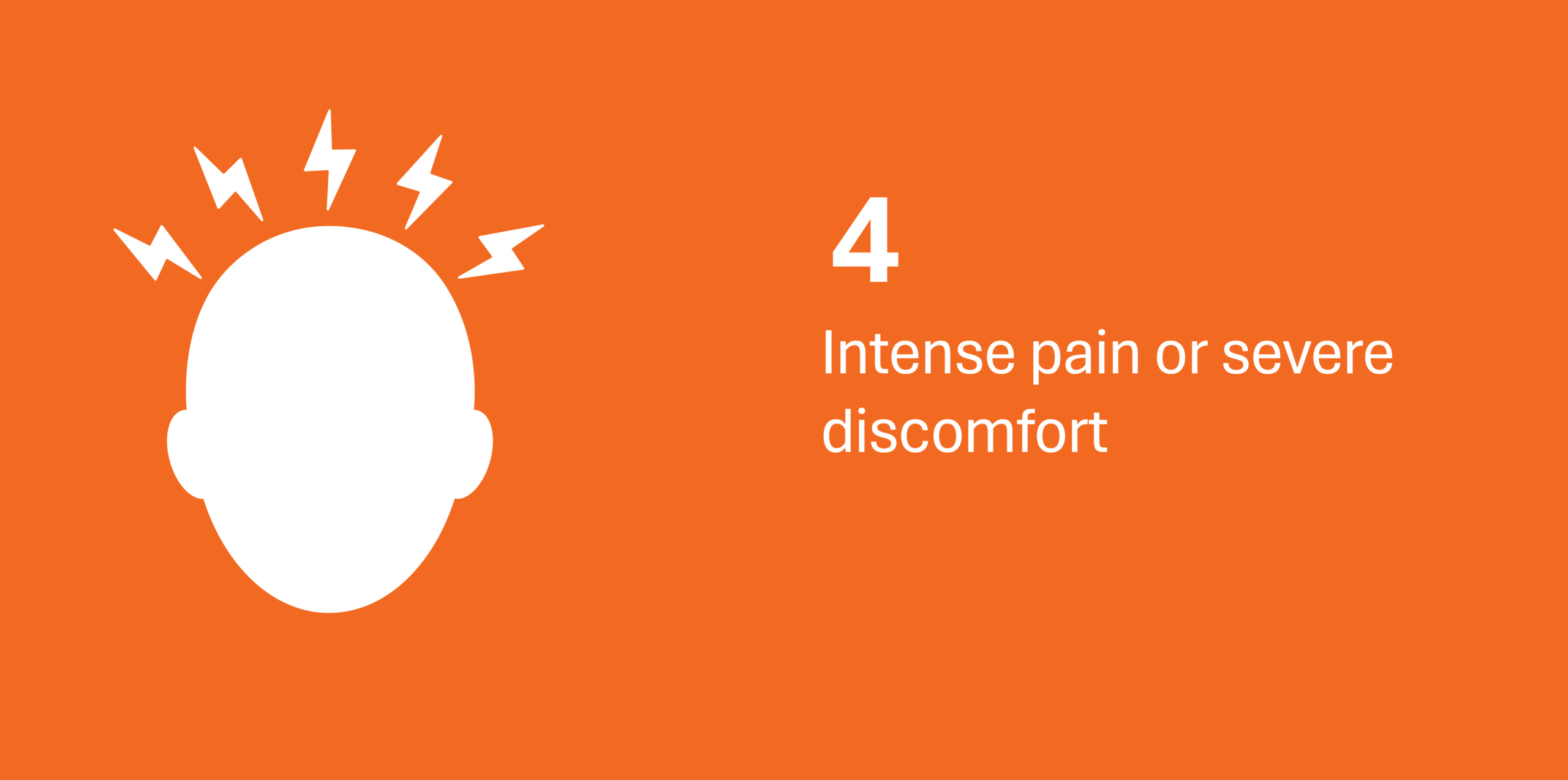
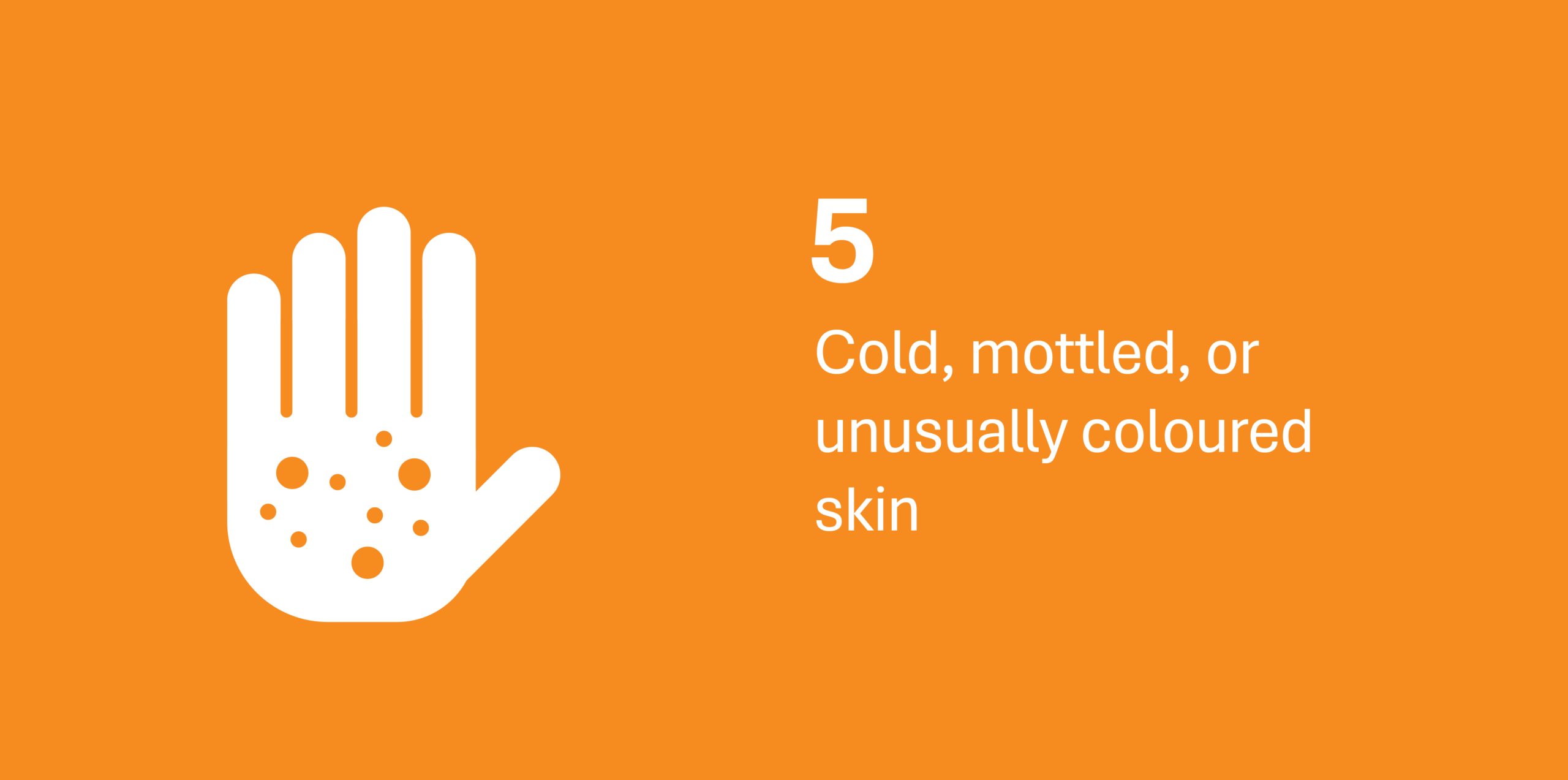
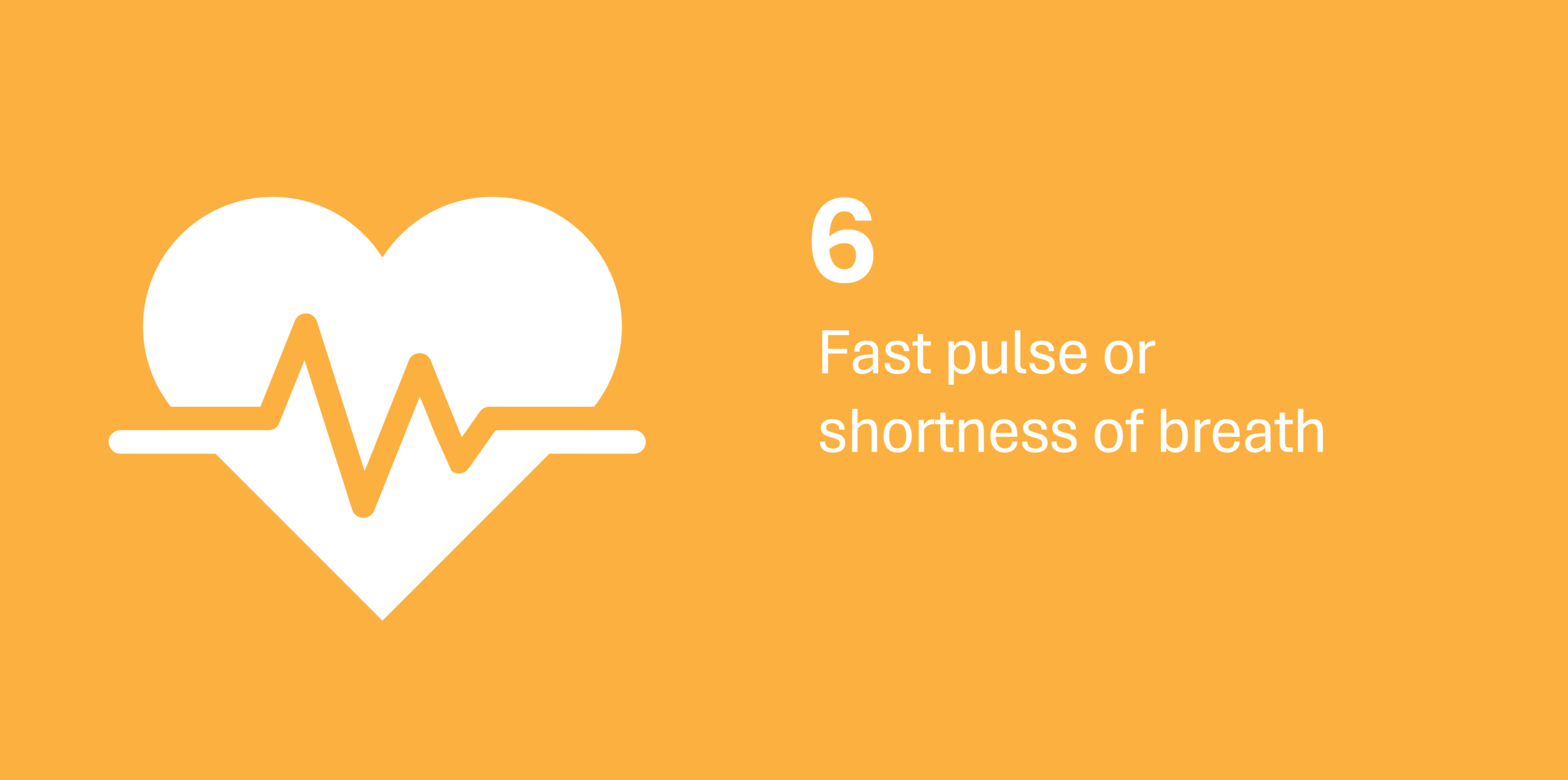
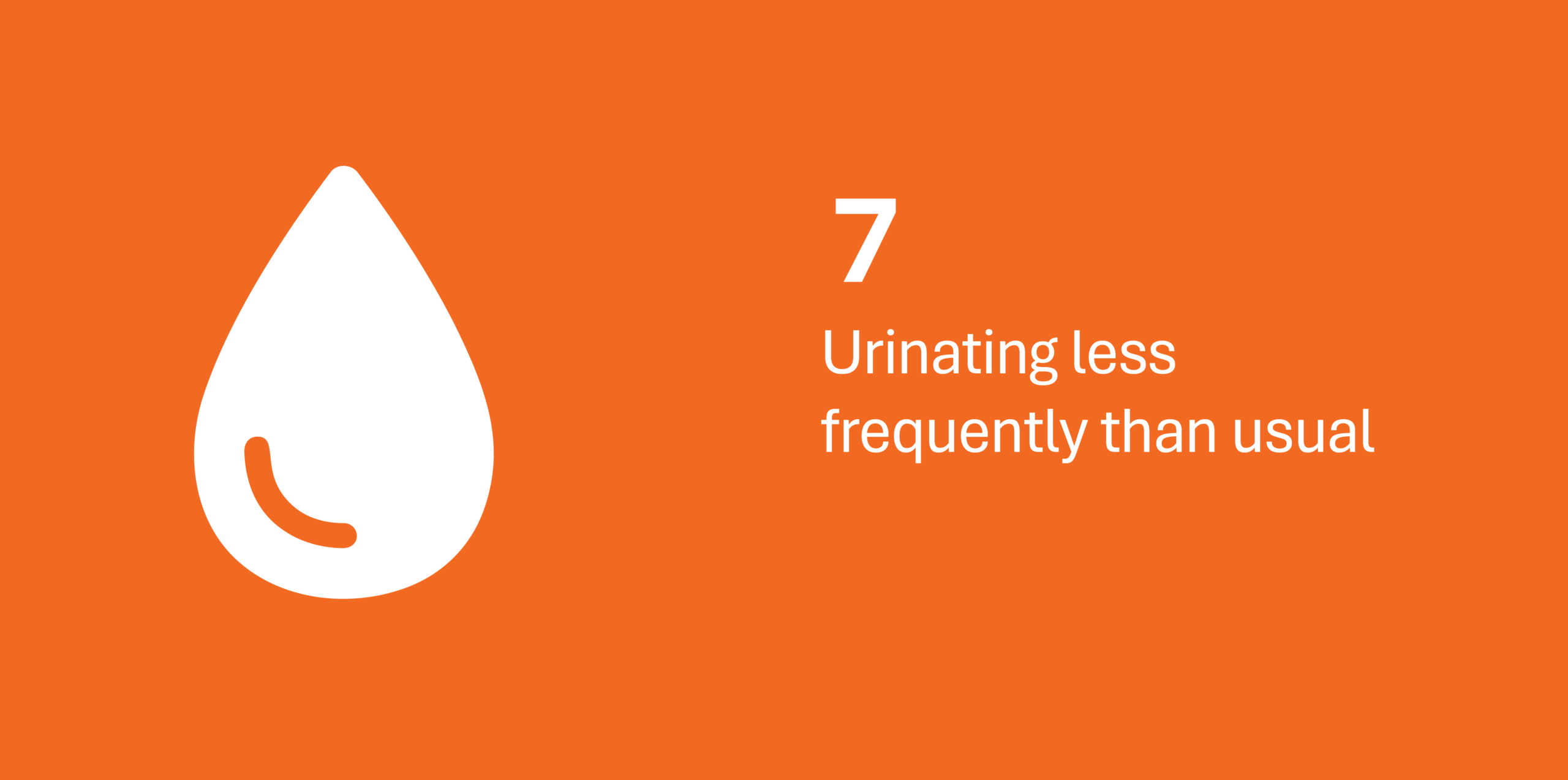
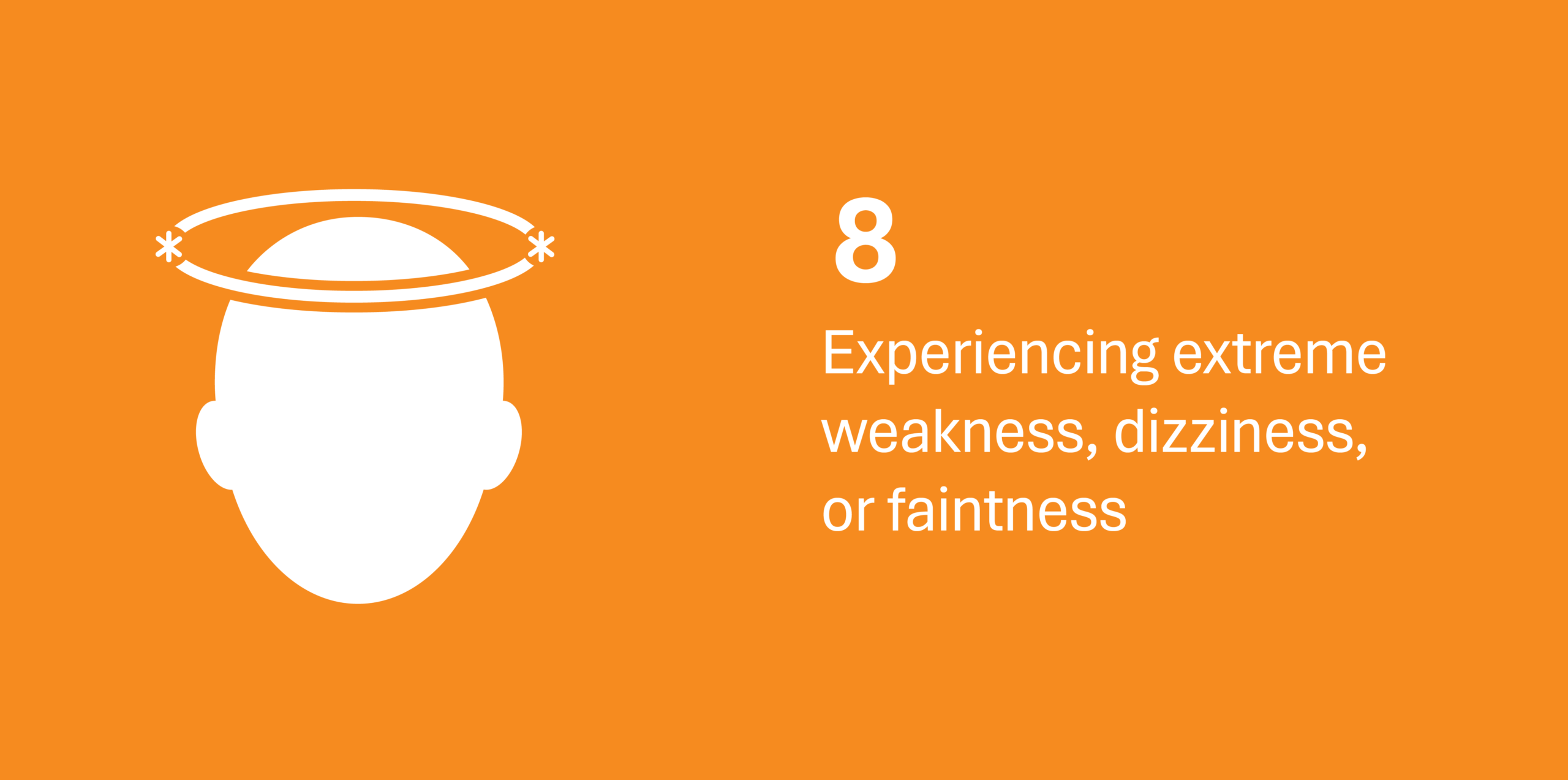
Anyone with an infection, illness, or wound who develops these symptoms should seek immediate medical attention.
Building a Stronger Safety Culture
A strong safety culture goes beyond policies and procedures.
It is built on trust, communication, and shared responsibility.
Employees should feel confident reporting concerns, asking questions, and seeking help when needed. Likewise, managers and leaders should be approachable, supportive, and willing to take concerns seriously.
Some characteristics of positive workplace cultures include:
- Open communication
- Early reporting of concerns
- Ongoing training and education
- Supportive leadership
- A commitment to continuous improvement
When these behaviours become part of everyday operations, organisations are better equipped to support their workforce and respond effectively when issues arise..
The Link Between Safety and Wellbeing
There is a growing recognition that workplace safety and employee wellbeing are closely connected.
People perform at their best when they feel healthy, supported, and valued. As a result, many organisations are expanding their approach to include wellbeing initiatives alongside traditional safety programmes.
This more holistic view acknowledges that protecting employees involves more than physical hazards alone. Mental wellbeing, health awareness, and access to support all have an important role to play.
By fostering a culture of care, employers can create environments where people feel empowered to speak up and seek help when they need it.
A Lesson for Every Workplace
The message at the heart of Sepsis Awareness Month is simple: awareness saves lives.
While prevention will always be a priority, organisations should also focus on what happens afterwards. Encouraging people to raise concerns, access support, and take action when something feels wrong can help create healthier and more resilient workplaces.
Ultimately, the strongest approach combines prevention, awareness, and support. By focusing on people as well as processes, businesses can build safer environments where everyone feels protected and valued.